Most teams who try continuous discovery do not give up because the research is hard. They give up because they cannot find people to talk to every single week.
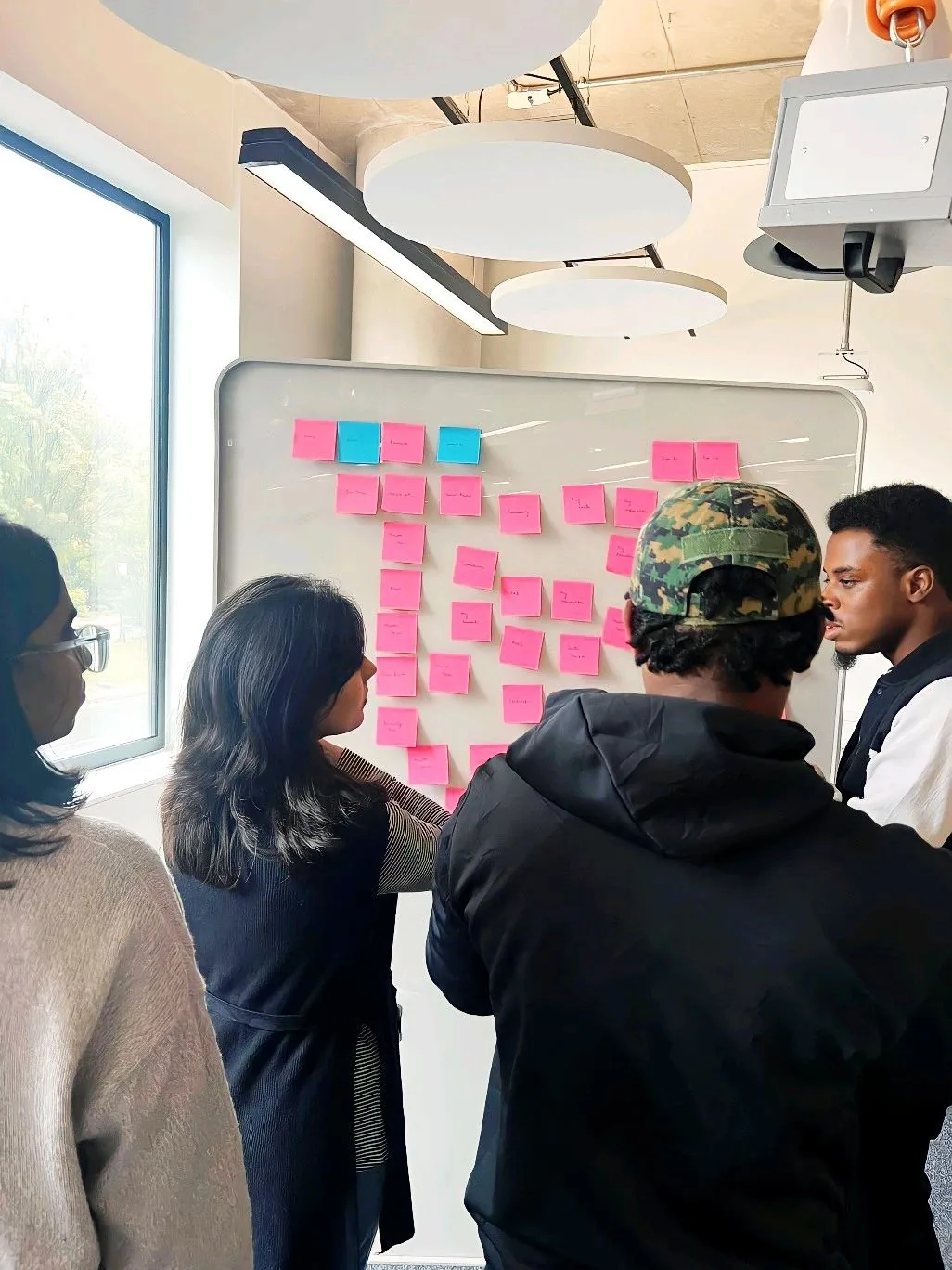
Recruitment is the quiet bottleneck. For my MSc thesis I asked eight senior practitioners how they solve it, then put the same question to a twelve-person product team in a workshop. Here is what works.
Build a pool, not a list
The biggest shift is to stop recruiting per study and start maintaining a pool you can draw from.
One team I interviewed kept a pool of around a hundred users and rotated through them based on who was relevant to that week’s question. That way the work of finding people happens once, in the background, rather than blocking every study.
The important detail is the cooling period. The same team deliberately left a gap before contacting someone again, so nobody was interviewed too often. This is not just politeness. People who talk to you every week stop being representative. They learn your product, they learn what you want to hear, and your insight quality quietly drops.
Know your channels
Participants named a wide mix, and the right one depends on your audience:
- Internal panels and panel management companies, such as Rally UX, which handle contact and scheduling for you.
- Recruitment platforms, such as Respondent and UserTesting, for fast access to broad audiences.
- Agencies, which are helpful for hard-to-reach people but tend to have longer lead times.
- Your own customer base, which is usually the highest quality and the most underused.
- Communities, including Discord servers where your most engaged users already gather.
- Direct outreach, using email and personal contacts, which still works better than most people expect.
- A dedicated research operations team, where the organisation is large enough to have one.
The workshop team added one more that costs nothing: put an option on your own site inviting people to take part. It was their top-voted answer, with four votes.
Make it easy to say yes
Incentives came up in every interview, and the message was consistent: they matter, and generic ones underperform.
- Tailor the incentive to the group. What motivates a consumer user is not what motivates a specialist in a B2B context.
- Adjust for time. A ninety-minute session should not be paid like a fifteen-minute one.
- Options included gift cards, direct deposits and premium account upgrades. Product credits in exchange for feedback came up as a promising future option.
- Watch for restrictions. In B2B, some industries limit what participants are allowed to accept.
Close the loop, and recruitment gets easier
This was the most striking finding from the workshop, and it is the thing most teams skip.
Two of the top-voted answers on how to improve participation were both about telling people what happened next. Reach out to past participants to let them know the impact their feedback had. And when you invite new people, show them examples of feedback that led to real changes.
It makes obvious sense once you see it. People give you their time because they want the product to get better. If they never find out whether it did, there is no reason to say yes a second time.
Other ideas the team voted for:
- Target the people who use the product most, since they care more about the outcome.
- Give participants clear goals and instructions so the session is enjoyable rather than confusing.
- Keep a register of people who have taken part before, with the GDPR implications thought through properly.
Widen the pool before you run dry
Teams that ran continuous discovery for a long time hit a predictable wall: they ran out of people, or ran out of new things to learn from the same people.
The fix is to widen who counts as a participant:
- Former users, who can tell you exactly why they left.
- Non-users and prospects, who show you what is stopping people from starting.
- Look-alike audiences. One practitioner described looking for people in the same role or industry as their customers, such as people who work in finance or who make software buying decisions, even if they are not customers yet.
- Domain experts, for specialist insight your users cannot give you.
Expect friction, and plan for it
Two things came up repeatedly as genuine blockers.
Data protection. GDPR compliance and unstructured user data make it hard to contact users directly in some organisations. This is worth solving properly with your legal team once, rather than working around it every week.
Specialised audiences. Third-party tools work well for broad consumer research but are often a poor fit for niche or B2B audiences. Agencies help, but build the lead time into your plan.
And a practical note: no-shows are part of the process. The teams who sustained this treated a certain drop-out rate as normal and over-recruited slightly, rather than treating every cancellation as a crisis.
Keep score
One last habit worth copying. Several teams tracked which recruitment channels actually produced good conversations, and adjusted over time. Referrals from happy participants turned out to be one of the strongest sources, which is another argument for treating the people who help you well.
Further reading
- Teresa Torres, Product Talk. producttalk.org
- My MSc research. Eight expert interviews and a twelve-person workshop. Read the case study
Next, read the continuous product discovery process or how to turn research insights into action.
Based on my MSc thesis on continuous product discovery. The research is written up in the case study.